
Pool removal · backyard reclaimed
Need Your In-Ground Pool Removed, But Not Sure How?
Learn what pool demolition involves, why homeowners choose it, and how an aging pool can become safe, usable backyard space.
See how removal works · Explore common reasons
- Removal method
- Permits & access
- Fill & compaction
- Drainage & grading
BEFORE
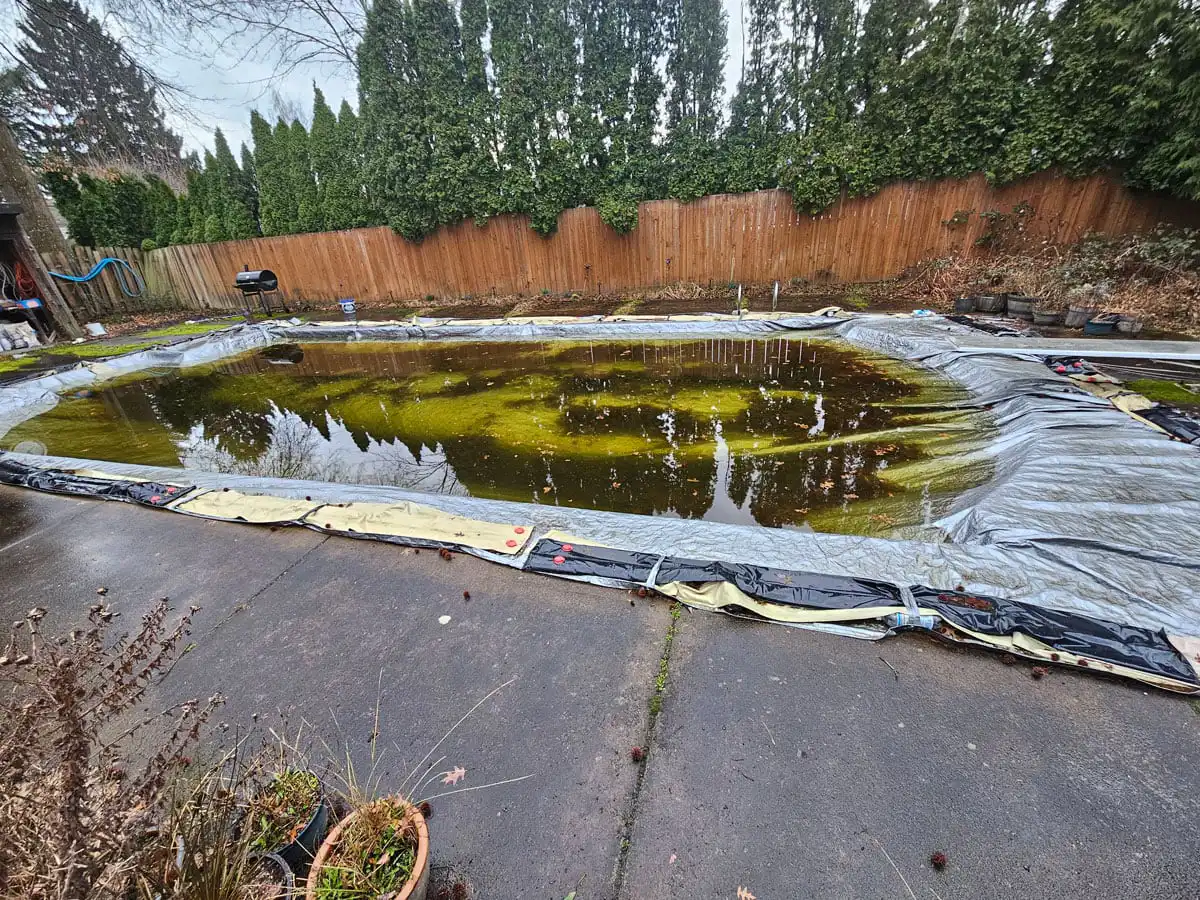
Aging pool · repairs · upkeep
AFTER
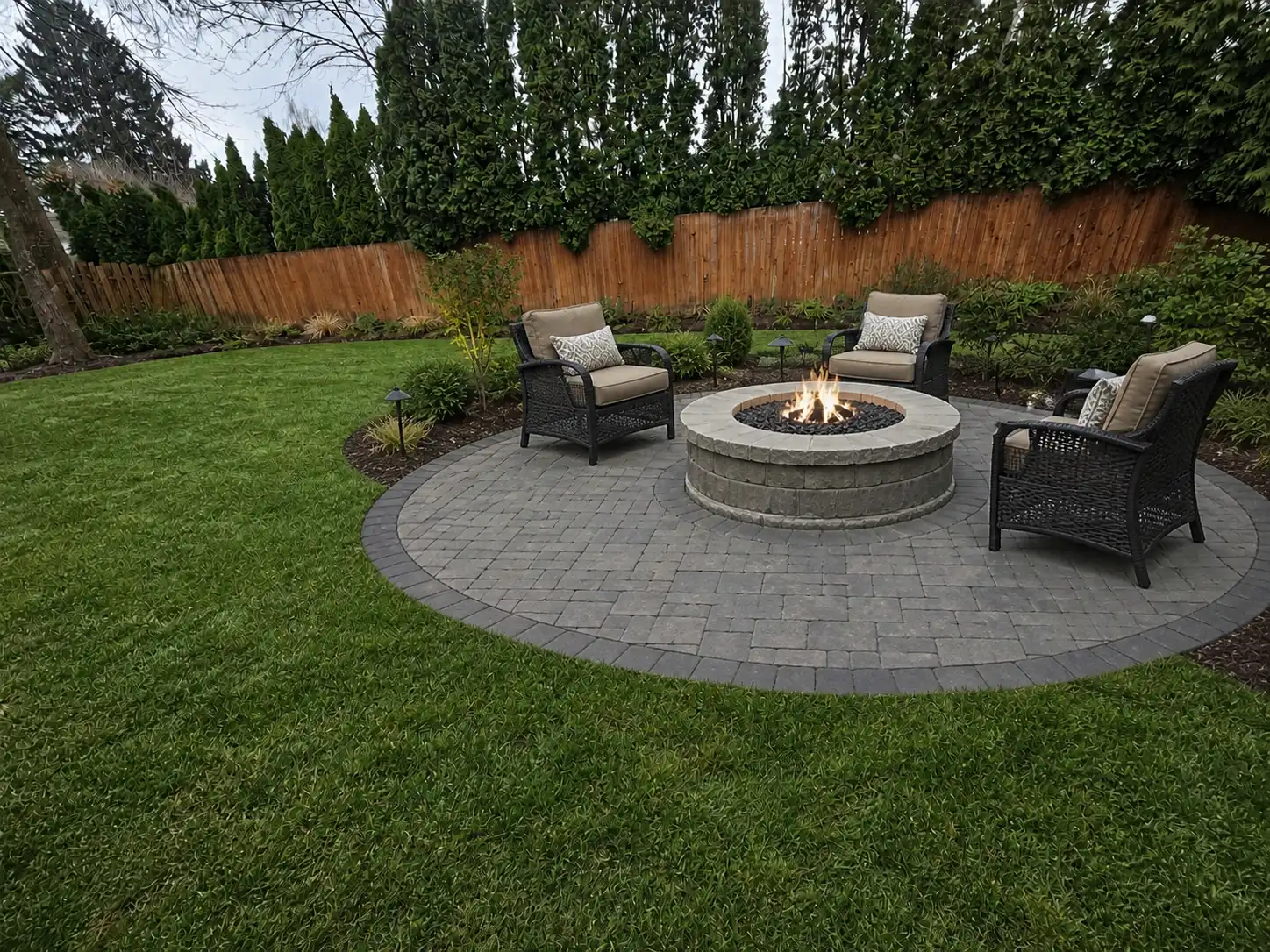
Patio · fire pit · room to gather
One yard. A completely different future.
376average annual pool- or spa-related child drowning fatalities
Nearly 80%of victims were children younger than five
5,900estimated child emergency-department visits annually
Latest U.S. CPSC report, using 2021–2025 data. See sources
Reasons for pool removal
When the pool no longer fits your life, the yard can.
Homeowners consider in-ground pool removal when safety, repair costs, low use, or limited backyard space outweigh the benefits of keeping it.
01
Pool safety
Safety concerns
An unused pool still creates risk—especially for households with young children, visiting grandchildren, or pets.
02
Lower upkeep
High maintenance costs
Chemicals, cleaning, electricity, pumps, leaks, liners, plaster, and equipment can turn an aging pool into a recurring expense.
03
Avoid major repairs
Aging or damaged pool
Structural cracks, worn surfaces, failing equipment, or long-deferred repairs can make removal more practical than renovation.
04
Reclaim space
More usable backyard
Reclaim the footprint for a lawn, garden, play area, patio, outdoor kitchen, or a future project allowed by local rules.
Safety deserves a clear-eyed look
An unused pool does not become a harmless pool.
The CPSC reports an average of 376 pool- or spa-related fatal drownings per year among children younger than 15 for 2021–2023, including 379 in 2023. Nearly 80% involved children younger than five. Earlier CPSC data estimated 6,500 emergency-department-treated incidents annually; the newest reporting window estimates 5,900. A separate 2026 compilation reports that 71% of child drowning incidents occurred at private residences.
Drowning is often silent.
Pool removal may be worth considering when the water is rarely used but the risk and responsibility remain.
How pool removal works
From old pool to finished yard, step by step.
A responsible removal is more than filling a hole. The method, permitted scope, approved fill, compaction, drainage, and final grade all affect how the yard performs later.
01
Site review & removal plan
Confirm access, pool construction, utilities, drainage, the intended future use, and whether full or partial removal fits the property.
02
Permits & preparation
Verify local requirements, protect the work area, locate utilities, disconnect pool systems, and safely drain the pool.
03
Demolition
Break up the shell and surrounding materials according to the approved removal method. Full removal takes out the entire shell; partial removal leaves approved portions below grade.
04
Debris removal
Haul away concrete, steel, plumbing, and other materials that are not allowed to remain. Recyclable material can be separated where facilities permit.
05
Backfill & compaction
Place approved fill in controlled lifts and compact it as required. The fill specification and testing matter—especially if the area may support future improvements.
06
Grade, drain & finish
Shape the site so water moves away from structures, add topsoil, and install seed or sod. The result is a level, usable yard ready for what comes next.
See it in action
Watch a pool removal come together.
A short look at the equipment, the process, and the kind of finished yard the work leaves behind.
Track Works on the job · demolition · hauling · finished grade
Choose with the future in mind
Full removal or partial removal?
The best answer depends on the property, local requirements, and what you may want to do with the space later.
Full removal
Maximum future flexibility
- Entire shell is removed
- More debris and hauling
- Often preferred for future structures
- Fill and compaction records still matter
Partial removal
Often a lower initial scope
- Upper shell is removed
- Remaining base is opened for drainage
- May limit future building options
- Disclosure rules may apply
The cost of keeping an old pool
Repairing it can be a major reinvestment.
For planning purposes, standard in-ground pool renovation projects in the Vancouver and Clark County market are often discussed in a broad $6,000–$30,000 range, with many routine updates estimated around $8,000–$15,000. Structural repair, resurfacing, equipment, access, and finish choices can move a real quote well outside those figures.
These are planning estimates, not a contractor quote or official county pricing data.
Ask the useful question
“Am I investing in a pool I still want—or maintaining a space I could use differently?”
Popular backyard transformations
What could replace the pool?
A reclaimed footprint can become the most useful part of the backyard. Plan the next use before removal so grading, soil, drainage, and access support the outcome.
Paver patio
Create a sunny dining or lounge area with pavers, seating, a pergola, or an outdoor kitchen.
Garden space
Use the open footprint for vegetables, flowers, native plants, or pollinator-friendly beds.
Lawn & play area
Add room for children, pets, games, and everyday backyard life.
Low-maintenance landscape
Combine gravel, river rock, drought-tolerant plants, and defined pathways.
Before work begins
Five details worth deciding early.
- Future use: lawn, patio, garden, or possible structure?
- Removal method: full or partial—and why?
- Permit responsibility: who submits and closes it?
- Fill & compaction: what material, lifts, and testing?
- Drainage & finish: where will water go, and what is the final surface?
Common questions
Pool removal, explained plainly.
What is the difference between full and partial pool removal?
Full removal generally removes the entire pool shell and related material. Partial removal generally removes the upper portion, opens the bottom for drainage, and backfills the remaining cavity. Rules, disclosures, and future-building options can differ, so the property’s next use should guide the decision.
Can I build where the pool used to be?
Possibly, but future structures may require full removal, engineered fill, documented compaction, and separate permits. Decide what you may want to build before choosing a removal method.
How long does pool removal take?
The field work often takes days rather than months, but access, pool size, demolition method, inspections, hauling, weather, and finish work all affect the schedule.
Will the finished yard drain correctly?
It should be part of the plan from the start. Final grading must direct water away from buildings and avoid creating drainage problems for neighboring properties.
Sources & important notes
Make the decision with reliable information.
Requirements vary by jurisdiction and property. Confirm the current permit, engineering, fill, inspection, disclosure, and future-use requirements before beginning work.
A better backyard starts with a clear plan
The pool may be permanent.
Your decision does not have to be.
Talk through your pool, access, future plans, and the right next step with Track Works.